
How Often Does a Septic Tank Need Pumping?
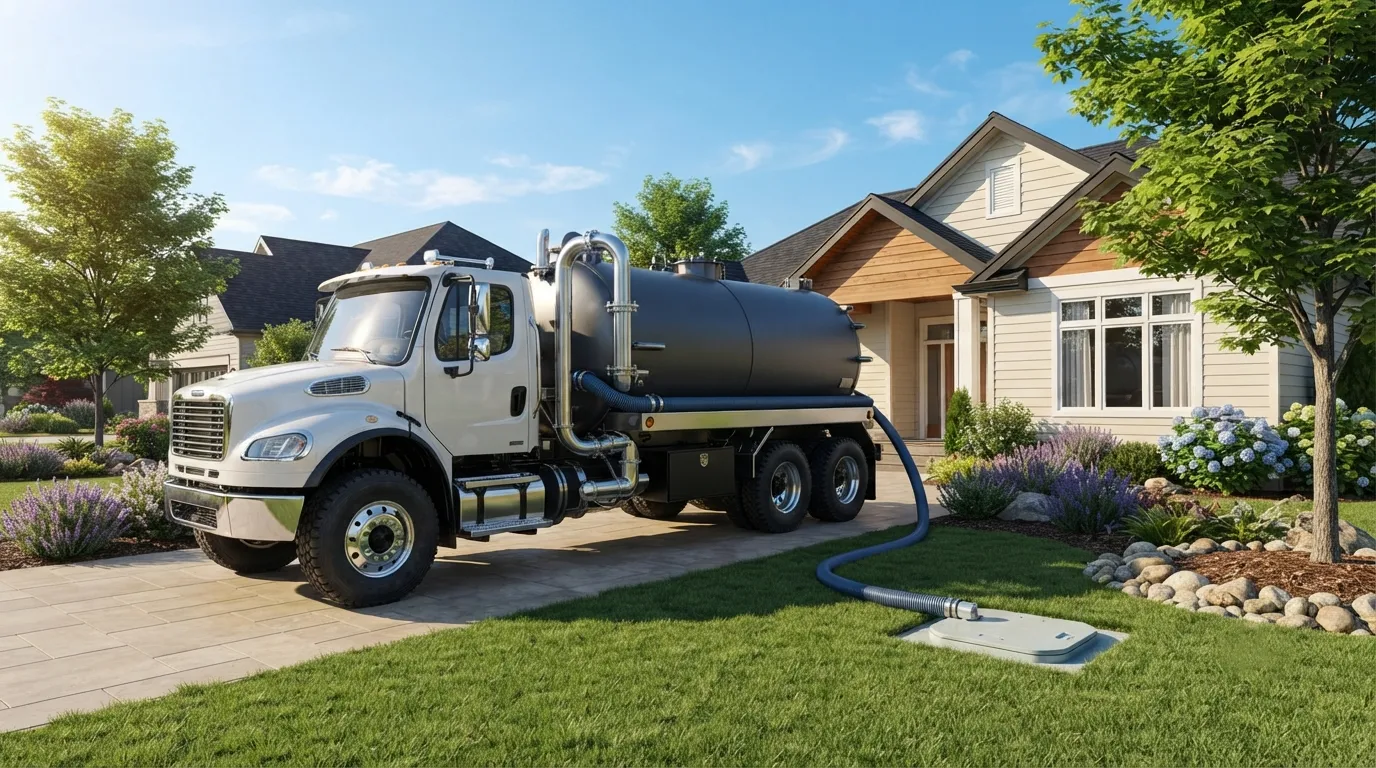
The honest answer: it depends on how many people live in the house and how big the tank is. A 1,000 gallon tank serving a family of four fills differently than the same tank serving two people, which is why the interval runs 3 to 5 years rather than a fixed number. Homes on well water, homes with garbage disposals, and homes that run laundry constantly all push toward the shorter end of that range. If you have never had the tank pumped and you do not know its size, that is the first thing Georgetown Porta Pros checks on a visit. Waiting too long costs more than the pump-out itself, because solids that should stay in the tank start moving into the drain field, and a drain field failure is a different repair entirely. If you are weighing a septic system against a rented alternative for a construction trailer or event site, our holding tank rental page and septic tank pumping cost page both break down when each makes sense. For households noticing slow drains before they know why, septic tank warning signs covers what to watch for between scheduled visits.
What Decides How Often You Need Service?
Three things: household size, tank size, and water use. A bigger tank buys more time between pump-outs, and fewer people generate less solid waste per week, which is basic math but it is the whole answer. Garbage disposals add solids the tank was not sized for. A home that runs a hot tub, does frequent laundry, or hosts extended family regularly will need pumping sooner than the standard 3 to 5 year window suggests. Commercial kitchens are a separate case entirely; a grease interceptor gets pumped once fats, oils, grease and solids reach 25 percent of the liquid depth, not on a calendar. If you run a restaurant or food truck operation in Georgetown, see our grease trap pumping page, because that schedule runs independent of your septic tank's own cycle. For anyone building new or adding a bathroom, check how often to pump a septic tank for the fuller breakdown by household size before you guess at an interval.

What Are the Warning Signs You Need Pumping Now?
Slow drains in multiple fixtures at once, gurgling in the pipes, standing water or unusually green grass over the drain field, and sewage odor near the tank or in the yard. Any one of these on its own might be something else, but two or more together usually mean the tank is full or close to it. A toilet that will not flush right and a shower that drains slowly on the same day is not a coincidence. Sewage backing up into the lowest drain in the house is the clearest sign and it means call today, not next week. Georgetown Porta Pros treats calls like that as same-day priority, because a backup gets worse the longer it sits. Full details on what to look for live on septic tank warning signs, and if you are dealing with an active backup right now, our emergency septic service page has faster contact options than waiting on a standard quote form.

What Does a Septic Pumping Service Include?
A real pump-out is more than sticking a hose in the tank. The crew locates and uncovers the access lid, pumps the tank empty, and while it is empty checks the baffles and the general condition of the tank walls for cracks or damage. Solids get broken up and removed along with the liquid, not just skimmed off the top. On the way out, the technician resets or notes the lid so it is easier to find next time, and flags anything that looked like early drain field trouble. This is a different job than portable sanitation, so if you are also running a job site nearby, pair it with portable restroom rental or check our standard porta potty rental page for crews needing toilets during a septic repair. Homes with well water sometimes need OSHA 1926.51(a)(1)'s potable water standard referenced for job-site crews working near a septic line, though that standard governs employer-provided drinking water, not residential septic itself.
How Much Does Septic Tank Pumping Cost in Georgetown?
Pricing depends mostly on access and tank condition, not just size. A straightforward pump-out with clear access to the lid runs toward the lower end; a tank buried under landscaping or with a damaged lid takes longer and costs more.
| service | duration | low | typical | high |
|---|---|---|---|---|
| septic pumping | day rate | $150 | $250 | $300 |
| septic pumping | weekend | $50 | $100 | $150 |
Weekend pricing above reflects add-on or smaller jobs scheduled alongside a weekday visit; a full weekend emergency pump-out is quoted at the day rate plus dispatch. For a side by side against holding tanks and other options, septic tank pumping cost and septic tank cleaning both go deeper on what changes the number. Grease interceptors price differently since they are billed by volume and contamination level rather than a flat day rate, covered on grease trap pumping.
Do You Offer Emergency Septic Pumping in Georgetown?
Yes. A backed-up tank does not wait for a normal appointment window, and Georgetown Porta Pros keeps slots open for same-day calls when a system fails. Emergency response covers Georgetown proper and reaches out to Santa Rita Ranch, 13.6 miles west, and Liberty Hill, 16.3 miles west, without the multi-day wait a routine pump-out might carry. If you are further out toward Taylor, 23.8 miles southeast, call ahead so dispatch can route the truck efficiently. Emergency calls get the same inspection as a scheduled visit: tank pumped, baffles checked, lid reset. If your emergency is actually a rental gap, like a construction site whose only toilet just failed, our emergency porta potty rental page covers same-day unit delivery separately from septic work. Full detail on response windows and what counts as an emergency lives on emergency septic service.
Septic systems and portable sanitation solve different problems, and a lot of Georgetown properties need both at different points in a project. A house under renovation might need home renovation porta potty service while the septic line is being repaired, and a farm running field labor might reference OSHA 1928.110's field sanitation standard, which calls for one facility per 20 hand-labor employees within a quarter mile walk, a rule covered further on farm and agricultural restrooms. Construction sites juggling both septic access and toilet counts should also check OSHA 1926.51(c), which sets one toilet per 20 workers or fewer, detailed on OSHA portable toilet requirements and construction site services.
Anyone planning ahead rather than reacting to a backup should start with how often to pump a septic tank and set a reminder before the 3 to 5 year window closes. For general service area coverage across Georgetown and nearby towns, service areas lists what is currently reachable, and about has more on how Georgetown Porta Pros runs jobs day to day. Ready to schedule, or just need a number for a specific tank size? Request a quote or hit contact directly, and check frequently asked questions for anything not covered here.
How much does it cost to pump a 1,000 gallon septic tank?
Pricing depends on access and condition more than the gallon count itself, but a standard pump-out for a typical residential tank falls within the day-rate band above. Difficult access, a buried lid, or heavy solids push the price toward the high end. Get a firm number through septic tank pumping cost.
How do I know if my septic tank needs pumping?
Slow drains, gurgling pipes, standing water over the drain field, or sewage odor near the tank are the clearest signs. Multiple symptoms at once usually mean the tank is full. See septic tank warning signs for the full list before you call.
Can I get emergency septic pumping the same day?
Yes, Georgetown Porta Pros keeps slots for same-day emergency calls when a tank backs up. Coverage extends to nearby towns like Serenada, 5.1 miles north. Reach emergency septic service directly for fastest response.
What is the difference between septic pumping and a holding tank?
A septic tank treats waste on-site and needs periodic pumping every 3 to 5 years. A holding tank stores waste only and needs pumping much more often since nothing breaks down. Compare both on holding tank rental.
Does a grease trap get pumped on the same schedule as a septic tank?
No. A grease interceptor gets pumped once fats, oils, grease and solids reach 25 percent of liquid depth, which can happen faster than a residential septic cycle. Restaurants should check grease trap pumping for their own schedule.
What is included in a standard septic pumping visit?
The crew locates the access lid, pumps the tank fully, checks baffles for damage, and notes any early signs of drain field trouble. It is a full inspection, not just a pump-out. Details are on septic tank cleaning.
Next step
Get a delivery date
Tell us the address, the dates and the headcount. We size the order and confirm the route.