
How many portable toilets does a farm need?
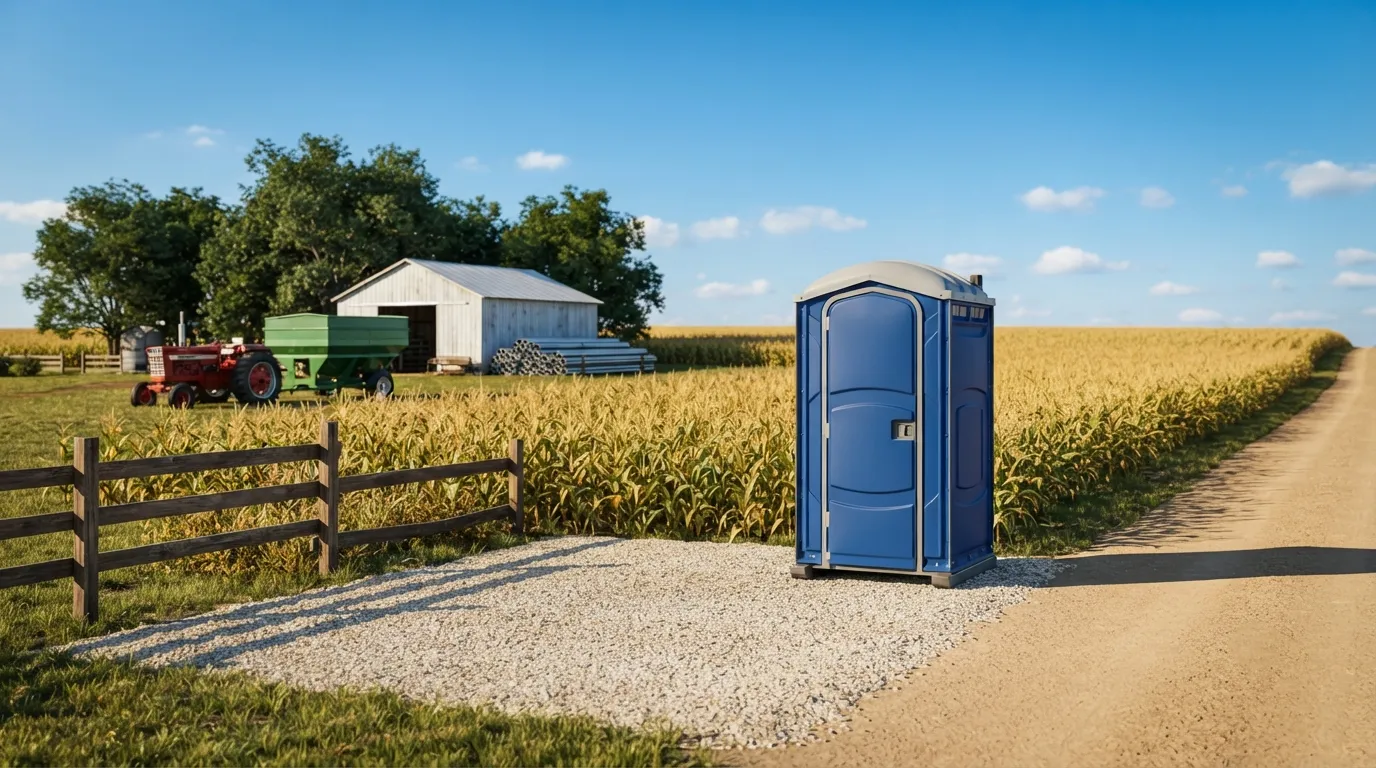
OSHA 1928.110 covers agricultural field sanitation directly: potable water, toilet facilities and handwashing all need to sit within a quarter mile of where hand-labor employees are working, at a ratio of one facility per 20 workers. That is a tighter walking distance than most construction guidance, because field crews move through rows and pastures rather than staying near a trailer. A 40-acre pecan operation with two picking crews of 15 might need two standard portable toilets staged at opposite ends of the property instead of one unit parked by the barn. Georgetown Porta Pros maps out placement before delivery, factoring in gate access and whether a truck can get 60 feet of straight clearance for anything larger, like a roll-off dumpster brought in for fencing debris or storm cleanup. For crews working herbicide or insecticide applications, OSHA 1926.51(f)(1) requires washing facilities beyond a sink with sanitizer, so a proper handwashing station rental with soap and water matters more than a bottle of gel. Ranches near Serenada, 5.1 miles north of Georgetown, and operations closer to Liberty Hill, 16.3 miles west, both fall under the same field sanitation rule regardless of distance from town.
What kind of unit works best on a working farm?
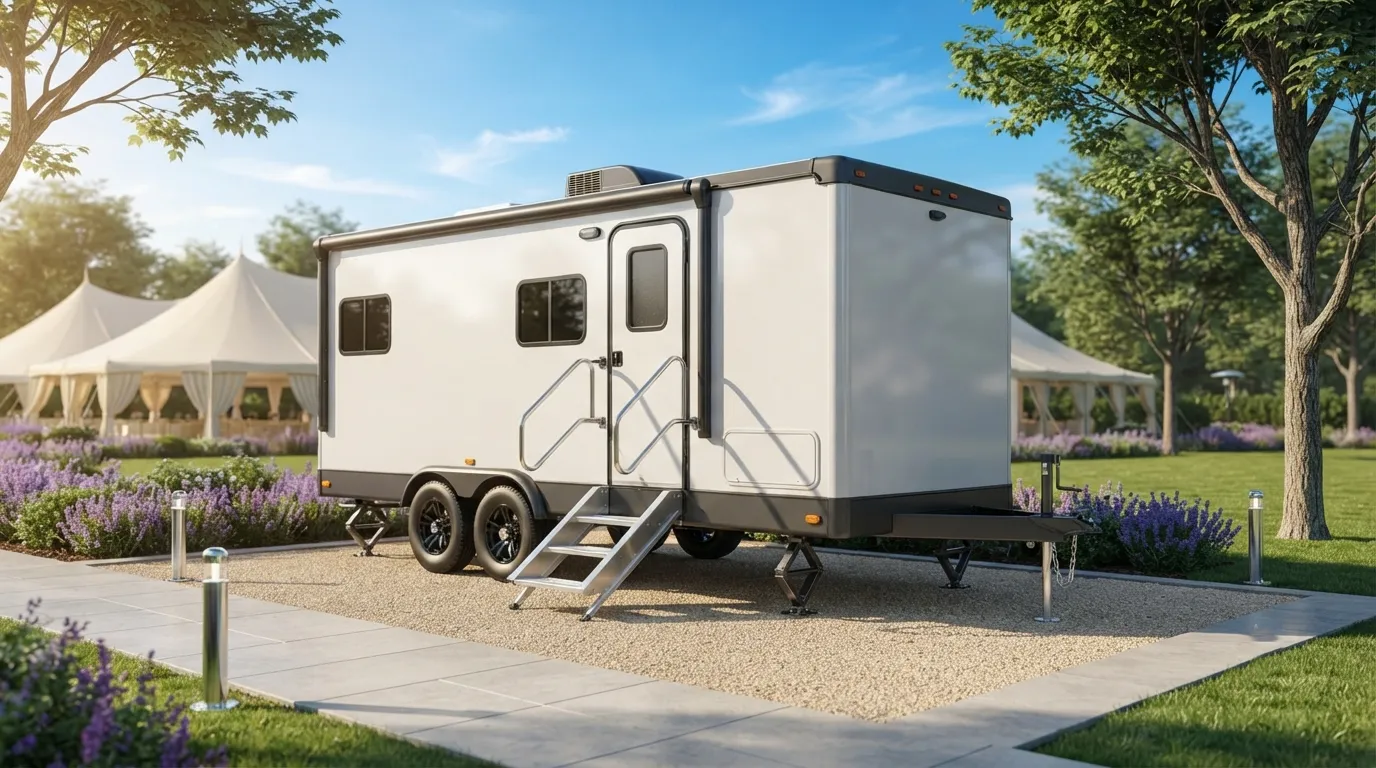
A standard porta potty rental with a 60 to 70 gallon holding tank handles most farm crews fine, and it is built to sit on uneven ground near a field edge without a hard pad. Units run about 44 by 48 inches on the ground and stand roughly 92 inches tall, small enough to fit through most gate openings without moving fence panels. For labor camps or longer harvest seasons, a monthly porta potty rental makes more sense than daily billing, and Georgetown Porta Pros prices standard units by the month in the $125 to $325 range depending on service frequency and unit count. If the farm also runs a retail stand, agritourism event or wedding venue, a deluxe flushable porta potty or an ADA accessible porta potty may be worth adding, since ADA Standards section 213.2 requires at least one accessible unit in any cluster serving the public, even a small one. Farms hosting fall festivals or corn mazes should also look at festival restroom rental options, and larger family operations sometimes add a restroom trailer rental for events instead of standing up several standalone units. Grease from an on-site kitchen or food stand falls under different rules than field toilets, and a grease trap pumping schedule keeps that separate system compliant.
Do farms need septic pumping or holding tanks too?
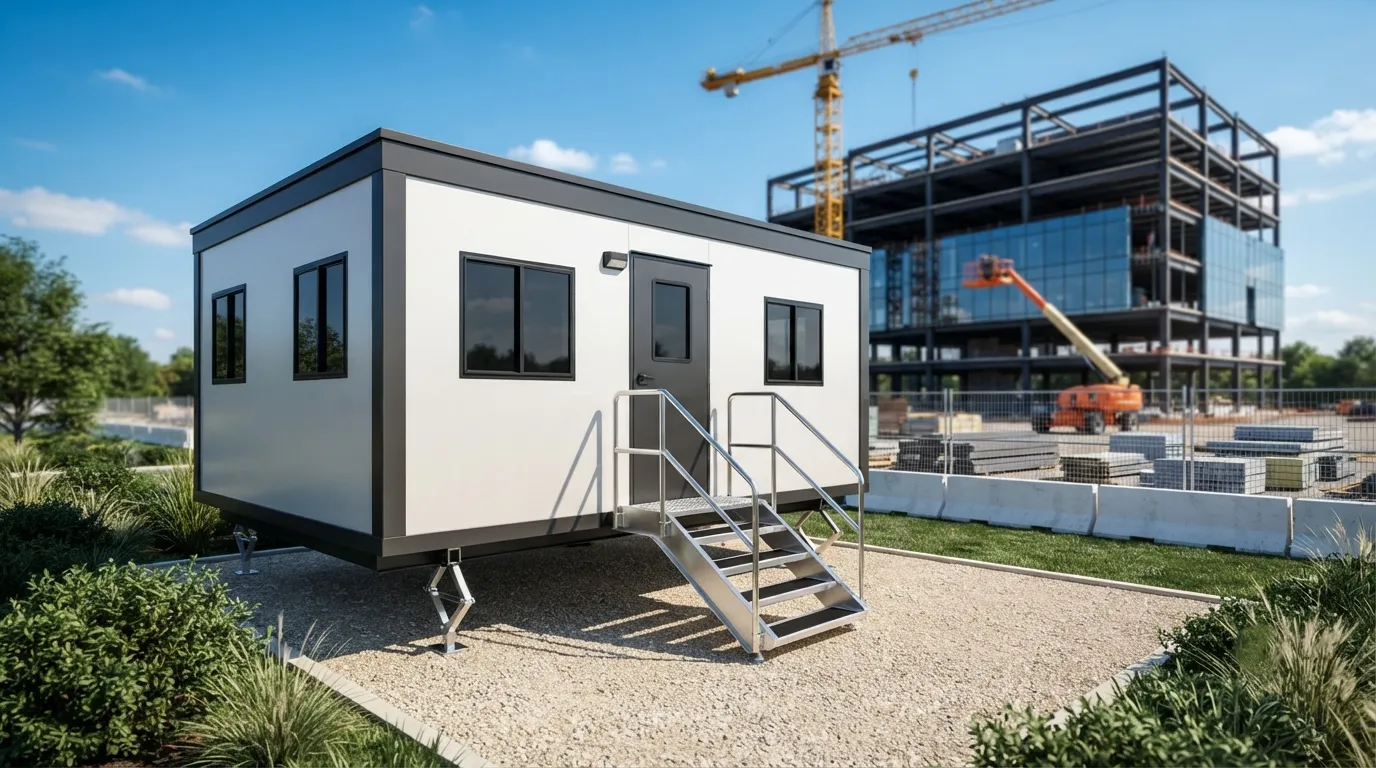
Most working farms in Georgetown already run a septic system for the farmhouse, and that tank typically needs pumping every 3 to 5 years depending on size and household use, separate from anything rented for field crews. A septic pumping service handles the house tank, while a holding tank rental covers temporary needs like a bunkhouse, seasonal labor housing or a barn conversion with no permanent hookup. Georgetown Porta Pros services both, and knowing how often to pump a septic tank on the home system keeps that maintenance from getting forgotten during planting or harvest season. Farms further out, like those closer to Santa Rita Ranch or Hutto, 16.5 miles southeast of Georgetown, still fall under the same service radius. If a well pump fails or a tank backs up during peak season, emergency septic service and emergency porta potty rental both exist for exactly that kind of timing problem. Any temporary fencing brought in around a work zone, storage yard or livestock area can be handled with temporary fence rental or specifically a chain link temporary fence, and a storage container rental or mobile office trailer rental covers tool and equipment needs on properties without existing outbuildings.
How often do farm porta potties get serviced?
ANSI/PSAI Z4.3 sets one weekly service visit as the baseline for up to 10 users over a 40 hour week, but farm crews working long harvest days often need twice-weekly service. Georgetown Porta Pros adjusts the schedule based on crew size and season, not a fixed calendar.
Can one unit serve workers spread across a large field?
Not if it is more than a quarter mile walk from where people are working, per OSHA 1928.110. Large properties usually need two or three units staged at different points rather than one central toilet, especially during row-crop or orchard harvest.
What does a farm restroom rental cost per month?
Standard units run $125 to $325 per month depending on service frequency and unit count. Seasonal labor camps sometimes negotiate a flat monthly rate covering several units serviced on the same route; see porta potty rental cost for a fuller breakdown.
Do we need handwashing stations separate from the toilets?
Yes, if crews are applying pesticides or herbicides, OSHA 1926.51(f)(1) requires washing facilities beyond hand sanitizer. Check handwashing station requirements for what qualifies, since soap and water are non-negotiable under 29 CFR 1910.141(d)(2).
Can Georgetown Porta Pros deliver to remote farm access roads?
Yes, though gate width and road condition affect which truck can get in. Roll-off and trailer deliveries need about 60 feet of straight clearance behind the truck, so call ahead if the access road is narrow or unpaved.
Next step
Get a delivery date
Tell us the address, the dates and the headcount. We size the order and confirm the route.