
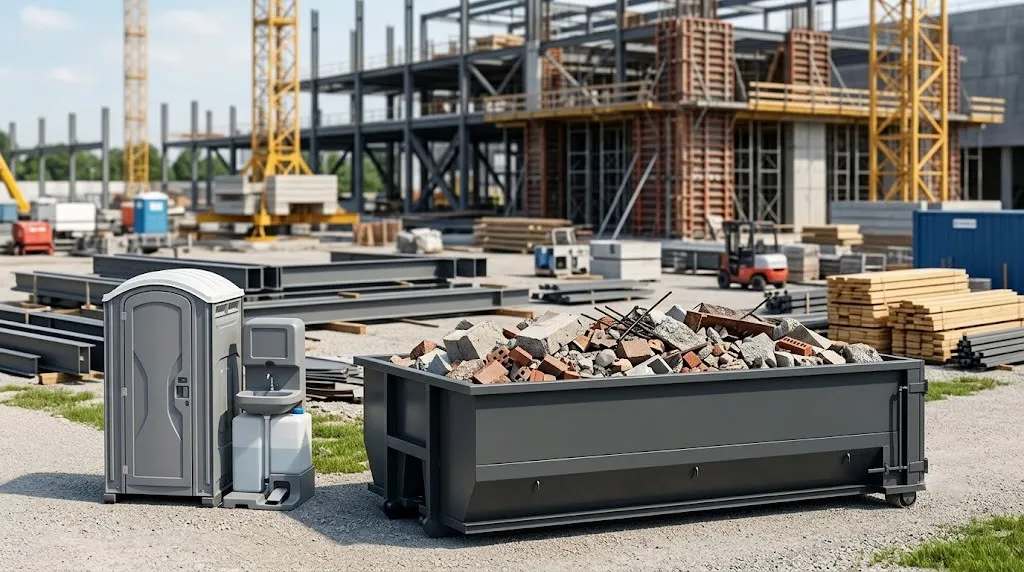
How Many Tons Does a 20 Yard Dumpster Hold?
A 20 yard box is the workhorse for kitchen tear-outs, roof jobs, and garage cleanouts across Georgetown, and it shows up often on home renovation porta potty job sites too. Most haulers cap it around 3 tons of mixed debris before overage charges apply, though the actual number depends on what you're throwing in. Shingles and concrete are dense and hit that ceiling fast, even in a half-full container. Household junk and lumber are lighter, so you can fill the box visually and still stay under weight. If you're not sure which category your project falls into, the dumpster sizes and dimensions page breaks down volume versus typical debris weight for each size. Renting a 20 yard for a day runs in the same pricing band as any other duration listed on the dumpster rental cost page, and a weekly rate applies if the job runs past a single day, similar to how a porta potty rental per day compares against a longer term. Georgetown households doing a bathroom or kitchen remodel are the most common users of this size, and pairing it with a 10 yard dumpster rental quote lets you compare before booking.
How Many Tons Does a 30 Yard Dumpster Hold?
A 30 yard dumpster generally holds 4 to 5 tons, which covers most construction debris, framing lumber, and large-scale cleanout jobs. This size shows up constantly on construction dumpster rental jobs and bigger renovation projects around Georgetown, where a crew is pulling out flooring, drywall, and cabinetry all at once, often alongside a roll-off dumpster rental delivered the same day. Weight, not volume, is usually what stops a 30 yard box first if the load includes tile, brick, or wet drywall. Mixed construction debris tends to sit right at that 4 to 5 ton range when the container looks about two-thirds full. If your project generates heavier material like concrete or dirt, ask before you load, because those materials belong in a different container class entirely and can blow past a 30 yard's limit with only a partial load, which is why some crews split debris between a 30 and a 30 yard dumpster rental confirmation call first. The dumpster permit requirements page is worth a look too, since placement on a street or right of way in Georgetown needs confirming with the city before delivery day.
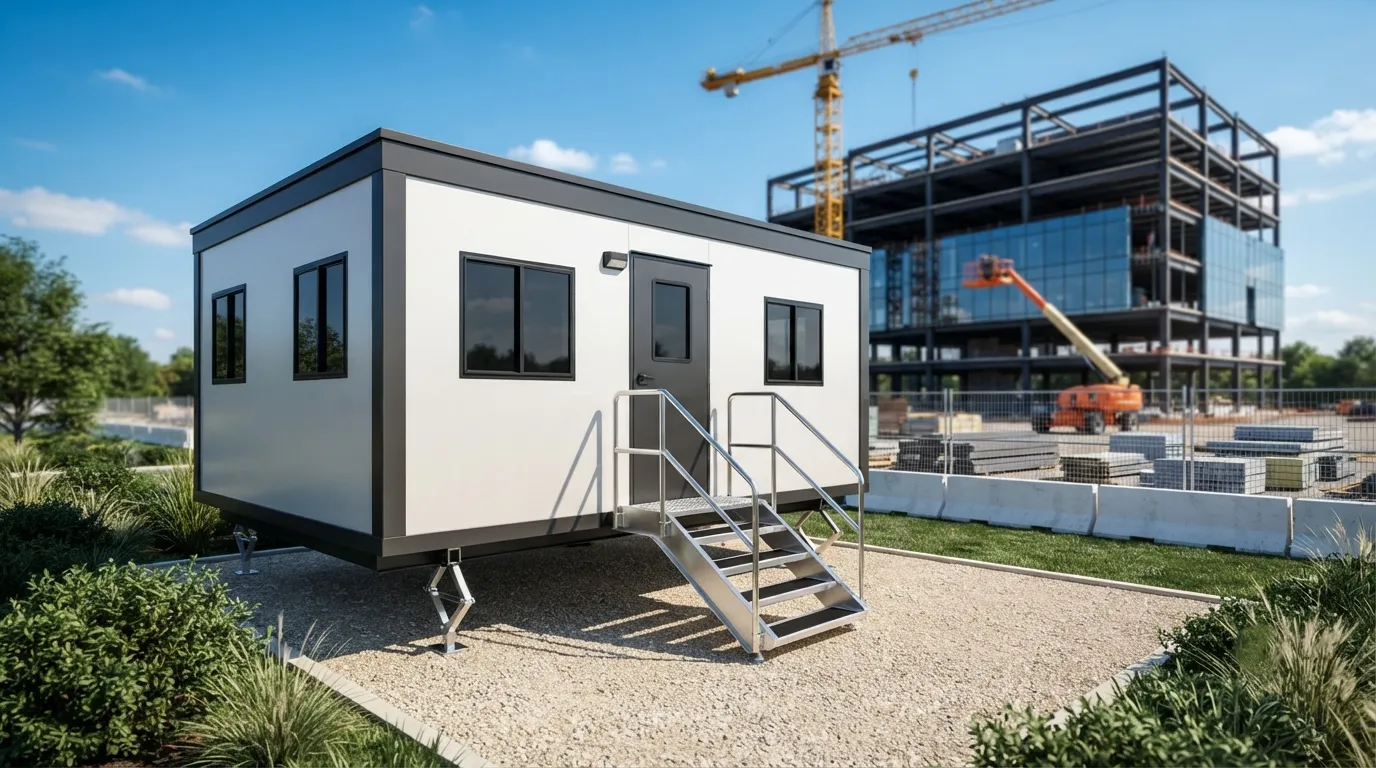
How Many Tons Does a 40 Yard Dumpster Hold?
A 40 yard dumpster is the largest standard roll-off size, and it typically holds somewhere in the range of 5 to 7 tons depending on the debris mix. This size is common on larger commercial teardown jobs, new construction, and whole-house gut renovations, the kind of site that also needs temporary fence rental around the perimeter. Because the box is tall and long, it's easy to overfill by volume long before you hit the tonnage ceiling if the material is light, like insulation or cardboard. The opposite is true for heavier loads. A 40 yard full of shingles or masonry debris can hit its weight limit with the container barely half loaded, which surprises a lot of first-time renters comparing it against a storage container rental for the same jobsite. Check the 40 yard dumpster rental page for delivery specifics, and remember a roll-off truck needs about 60 feet of straight clearance behind it to drop the container safely, so tight driveways in older Georgetown neighborhoods sometimes call for a smaller size instead. If you're weighing 30 versus 40, the 20 yard dumpster rental and 30 yard pages side by side make the tonnage tradeoff easier to see.
How Much Does a 20 Yard Dumpster Weigh Empty?
An empty 20 yard steel roll-off container weighs several thousand pounds on its own, which is why scales at the disposal facility always tare the truck and container weight before calculating your debris tonnage. You're billed only for what you added, not the box itself. This matters most when a load is close to the limit, because a heavier empty container combined with a full load can trip a driver's decision to stop loading early rather than risk an overweight citation on the road. Crews doing what cannot go in a dumpster style cleanouts should keep this in mind, since prohibited heavy items like tires, batteries, and certain appliances add weight fast without adding much volume, the same way OSHA's OSHA portable toilet requirements page walks crews through sanitation limits on the same site. For anyone comparing options outside Georgetown, the tare-weight process works the same whether you're looking at roll off dumpster rental in Dayton, Ohio or roll off dumpster rental in San Antonio. The scale doesn't care about zip code. What changes city to city is local disposal fee structure and permit rules, which is why dumpster permit requirements is worth reading before delivery.
Weight bands vary by material, and knowing the rough tonnage before you load saves a surprise invoice:
| dumpster size | typical tonnage capacity | common use |
|---|---|---|
| 10 yard | 1 to 2 tons | small cleanout, yard debris |
| 20 yard | around 3 tons | kitchen or bath remodel |
| 30 yard | 4 to 5 tons | construction, large renovation |
| 40 yard | 5 to 7 tons | commercial teardown, new build |
For pricing across day, week, or month terms, dumpster rental cost lays out the bands, and dumpster weight limits questions specific to your load are best confirmed with Georgetown Porta Pros before the truck shows up. If your project also needs a portable toilet on site, the construction site services page covers OSHA 1926.51(c) toilet ratios for crews working alongside the dumpster, and a handwashing station rental rounds out the setup for larger crews.
How do I know if my load is too heavy?
Watch the material, not the fill line. Concrete, dirt, shingles, and wet drywall are dense and hit tonnage limits fast even in a half-full box. If you're loading any of these, ask Georgetown Porta Pros about a smaller container or a dedicated heavy-debris box before you start.
What happens if I go over the weight limit?
You get billed for the overage at a per-ton rate added to your invoice. There's no penalty beyond the extra cost, but it can turn a budget rental into a pricier one, so weigh your material mentally before loading if you're near the line.
Can I mix construction debris and household junk in one dumpster?
Usually yes, but check with Georgetown Porta Pros first, since some disposal facilities sort loads differently and certain materials, covered on what cannot go in a dumpster, are banned outright regardless of what else is in the box.
Does dumpster size affect delivery in tight driveways?
Yes. A roll-off truck needs about 60 feet of straight clearance behind it to place the container. Older Georgetown streets and short driveways sometimes can't fit a 40 yard, so a 20 or 30 yard from dumpster sizes and dimensions may be the better fit.
Do I need a permit for a dumpster in Georgetown?
Placement on a street, curb, or public right of way needs confirming with the city before delivery. Georgetown Porta Pros can help you figure out where the container qualifies for driveway-only placement, avoiding the permit question entirely.
Next step
Get a delivery date
Tell us the address, the dates and the headcount. We size the order and confirm the route.