
Where should a porta potty go on a job site or event lot?
Ground matters more than most people think. ADA Standards section 302.1 calls for surfaces that are stable, firm and slip resistant, which rules out soft mulch, loose gravel or a slope near a drainage ditch. A standard unit runs about 44 by 48 inches on the ground and stands roughly 92 inches tall, so give it a few extra feet of clearance on every side for door swing and servicing. Keep units away from building air intakes and downwind of seating areas when you can. For construction sites, OSHA 1926.51(c) sets toilet counts by crew size, and that count drives how many spots you need to plan for before Georgetown Porta Pros ever shows up with a truck. If you are staging near a temporary fence rental line, leave the gate free so the chain link temporary fence panels do not block the service path. Big events benefit from spreading units across the lot instead of clustering them all at one end, which is covered in more depth on our how many porta potties do I need page.
How much clearance does the service truck need?
A roll-off delivery needs about 60 feet of straight clearance behind the truck, and portable toilet trucks want a similar approach even though the vehicle is smaller. Georgetown driveways and lots often have tighter turns than that, so walk the route before delivery day. If you are also renting a roll-off dumpster rental for the same project, plan both drop zones together since a dumpster placement permit may cover more than one container type depending on how close you sit to the curb or right of way. Placement in the public right of way needs confirming with the city, and we are not going to guess at a fee or a dumpster placement permit cost here, because that number is not something we can verify without checking with Georgetown directly. Ask about dumpster weight limits too, since overloaded bins get refused at pickup. For general debris rules see what cannot go in a dumpster.
Do ADA units need special placement?
Yes. ADA Standards section 213.2 requires that at least 5 percent of clustered single-user units be accessible, with a minimum of one no matter how small the job. ADA Standards section 304.3.1 calls for a 60 inch turning circle inside or in front of the unit, and section 404.2.3 sets a 32 inch minimum clear door opening. That means the accessible unit needs a bigger, flatter pad than a standard one, plus a route at least 36 inches wide under ADA Standards section 403.5.1 to reach it without obstruction. Reach controls should sit within the 48 inch maximum and 15 inch minimum range in ADA Standards section 308.2.1, and door hardware should need no more than 5 pounds of force under section 309.4. We cover full spec details on the ADA accessible porta potty page and general compliance questions on ADA restroom requirements. If your event in Georgetown pulls from Serenada, 5.1 miles north, or Santa Rita Ranch, 13.6 miles west, plan accessible placement near the main path, not tucked behind other units.
Where should handwashing and hygiene stations sit relative to the toilets?
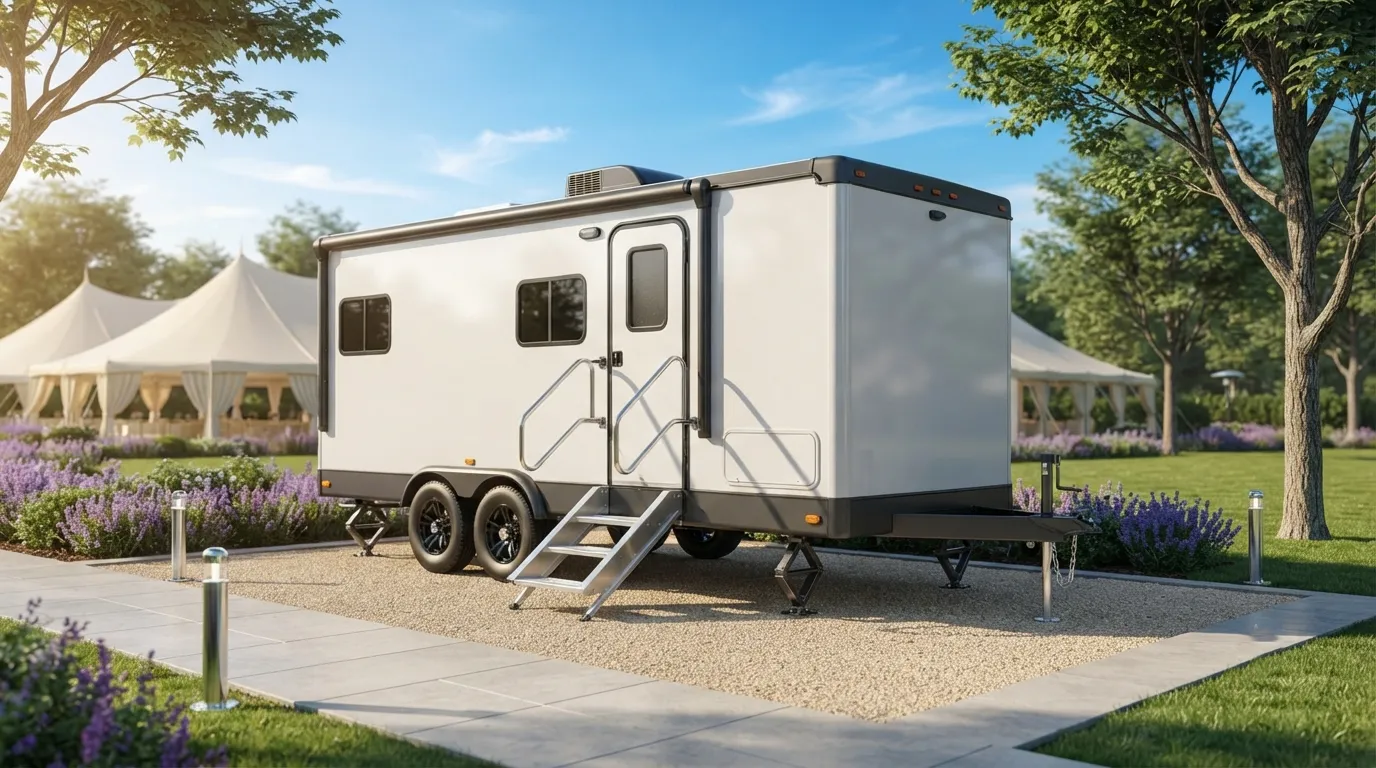
Put handwashing stations right next to the toilet bank, not across the lot, so people actually use them. 29 CFR 1910.141(d)(2) requires soap and towels or a hand drying device at washing stations, and hand sanitizer alone does not satisfy that. If your crew works with paints, coatings, herbicides or insecticides, OSHA 1926.51(f)(1) requires washing facilities for that contaminant exposure specifically, so place a station at the exit of that work zone, not just at the main restroom cluster. We stock the handwashing station rental line along with portable sink rental units; if you are running an Ozark River portable sink and need parts, ask us before service day so the right hardware is on the truck. Farms and agricultural operations fall under OSHA 1928.110, which sets one facility per 20 hand-labor employees within a quarter mile walk, a rule worth checking on our farm and agricultural restrooms page. For septic-side hygiene, a grease interceptor gets pumped once fats, oils, grease and solids hit 25 percent of liquid depth, detailed on grease trap pumping.
Placement also affects your porta john rental or portable restroom rental pricing, since tight access sites sometimes carry a higher delivery fee. Compare setups on porta potty rental cost or porta potty rental per day before you commit to a layout.
| unit | duration | typical |
|---|---|---|
| standard | day | 150 |
| standard | week | 200 |
| ada | day | 230 |
| delivery_fee | day | 150 |
How far from a septic tank should a porta potty be placed?
We have not verified a specific distance rule for Georgetown, so check with the city before finalizing a spot near a septic field. A residential tank is typically pumped every 3 to 5 years depending on size and household load. See septic pumping service or how often to pump a septic tank for more.
Can I place units on a gravel driveway?
Yes, if it is firm and level. ADA Standards section 302.1 calls for stable, slip-resistant ground, and loose gravel that shifts underfoot fails that standard for accessible units. Compact the surface first or use plywood pads under the unit's footprint.
Does a mobile office trailer need special placement too?
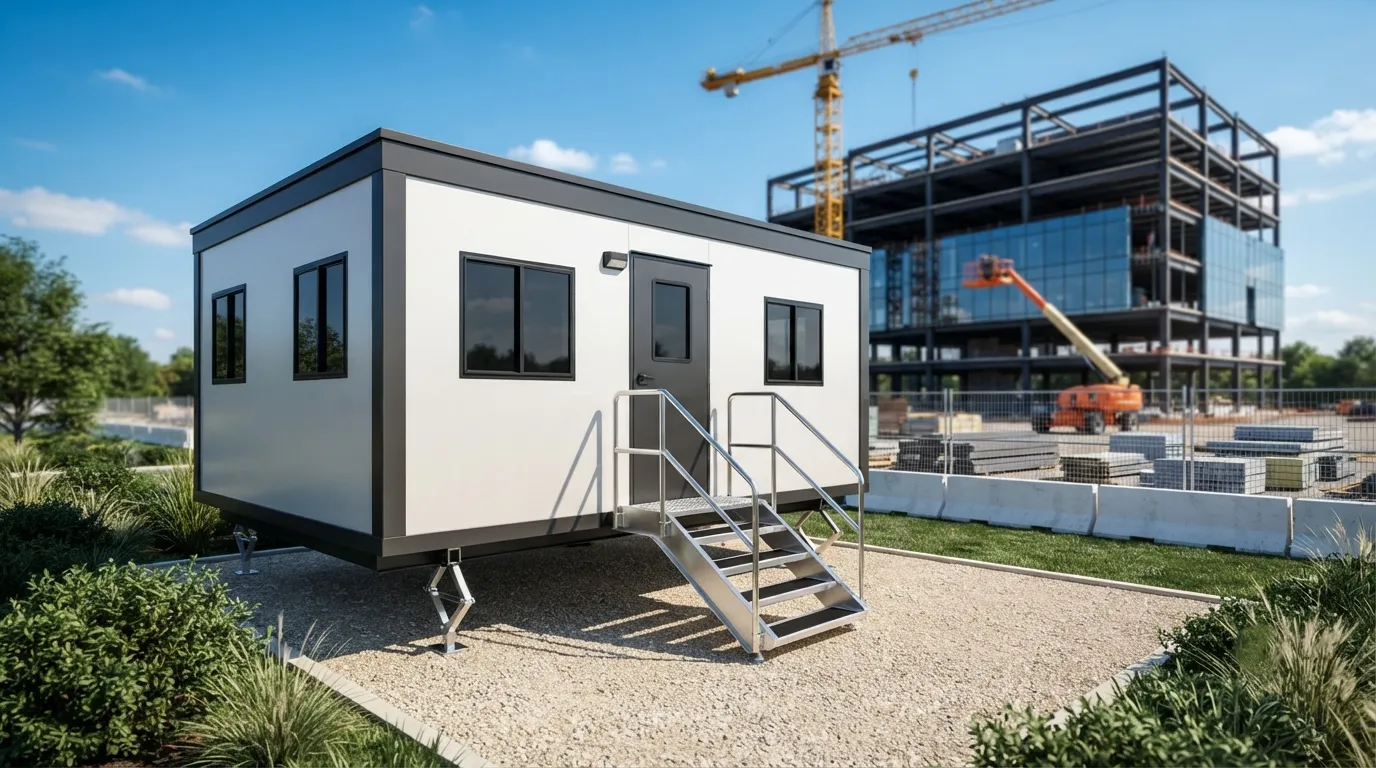
Yes. Give it level ground and clear door swing, and if you need mobile office trailer replacement doors or other repairs, mention it when booking. See mobile office trailer rental and storage container rental for site pad requirements.
How many units do I need before I plan placement?
Start with OSHA 1926.51(c): one toilet for 20 workers or fewer. Layout follows headcount. Our how many porta potties do I need guide walks through the math for construction crews and events alike.
Who do I call for placement help in Georgetown?
Georgetown Porta Pros will walk your site plan before delivery. Request a quote or check service areas covering Liberty Hill, 16.3 miles west, and Hutto, 16.5 miles southeast.
Next step
Get a delivery date
Tell us the address, the dates and the headcount. We size the order and confirm the route.